

The Mystic's Garden
On wonder, discernment, and the care of what is sacred

The Need for the Sacred
There are seasons in life when we do not need more noise, more performance, or more polished answers. We need a different rhythm. A quieter threshold. A place where the heart, the body, and the soul can hear one another again.
In a world trained toward speed, urgency, analysis, and constant problem-solving, many of us have grown estranged from another kind of knowing—one rooted in wonder, reverence, stillness, and soul. We are taught to assess, optimize, defend, repair, and move on. Yet beneath all that motion, something in the human spirit remains undernourished.
At a time when the nervous system is so often pressed into vigilance and strain, the sacred is not less needed because the world is harsh. It is more needed than ever. But wonder, like a garden, does not flourish under every hand. It asks for attention, discernment, and a different quality of welcome.
The Mystic Is Not a Glamorous Role
The mystic is often imagined as luminous, gifted, touched by hidden things. From a distance, the role can look beautiful, even exalted. Up close, it is rarely glamorous.
More often, it asks for sensitivity, responsibility, and a great deal of unseen labor. To live close to wonder is also to live close to suffering—to the cries of the innocent as they perish in war, to the hunger of the homeless, and to the sorrow, ambiguity, and depth that run through human life. Receptivity not only heightens one’s sense of beauty. It also increases what one must carry.
At their best, mystics do not simply offer ideas or solutions. They redirect attention—away from frenzy, away from the dulling force of constant fixing, away from the trance of spectacle, cynicism, and noise. They invite us to look again: at beauty, symbol, silence, longing, and the hidden life of the soul.
A World Hungry for Wonder
We do not suffer only from a lack of credible information. We also suffer from a lack of reverence, from spiritual malnourishment, from the erosion of inner life, from the numbing effects of speed, fear, and spectacle.
That is why wonder matters.
Wonder is not decorative. It restores. It interrupts the trance of mere survival. It reminds us that we are more than our tasks, our wounds, our defenses, and our strategies.
Have you ever been in the presence of someone who turned your attention back toward wonder?
Someone whose way of seeing made the world feel more alive, not more frantic?
Someone who did not rush to solve you, fix you, diagnose you, or recruit you, but quietly welcomed you into a more spacious relationship with your own soul?
That is a rare gift. And I suspect it is one reason the sacred feels so necessary now.
Sacred Exchange and the Question of Reciprocity
The sacred is not only something we encounter in solitude, prayer, beauty, or silence. It also appears in relationships.
In friendship. In love. In mentorship. In creative companionship. In those moments when something more than personality passes between people—care, steadiness, trust, a quality of attention that enlarges life rather than diminishing it.
This is where the question of reciprocity enters.
Not as bookkeeping. Not as a complaint. But as a way of asking whether an exchange is alive, mutual, and true.
To be received is not the same as being met.
Some people may be nourished by your presence without knowing how to honor its source. They may welcome your warmth, insight, steadiness, or soulfulness without being able to return those qualities with equal depth. They may cherish what flows through you without fully recognizing the inward life from which it comes.
That does not make them wrong. But it may mean they do not belong in your innermost rooms.
Have you ever felt the difference between being admired and being truly met?
Have you known a friendship, a love, or a sacred companionship in which something living moved both ways?
Have you also known the ache of realizing that what felt profound was not, in fact, mutual?
These questions matter because reciprocity helps us discern whether a relationship can bear the weight of depth. Not every meaningful encounter becomes a sanctuary.
Not every warm exchange can hold what is most tender.
The Threshold Between Wonder and Performance
The sacred must also be approached with care for another reason: not everything that appears deep is deep.
Not every doorway that glitters leads to the truth. Not every person who speaks the language of depth can be trusted with what is deep. Spiritual style is easy to imitate. The mystic's costume is widely available. Sacred presence is something else.
It cannot be manufactured through symbols, tone, or borrowed phrases. It reveals itself in the quality of attention, in humility, in integrity, in one’s relationship to truth.
Have you ever mistaken spiritual performance for genuine depth?
Have you ever encountered someone who wore the aesthetic of wisdom beautifully, but could not be trusted with tenderness, truth, or the soul’s more vulnerable rooms?
This is why I have been reflecting on the mystic not only as a seer or sensitive, but as a keeper of the threshold. Someone who understands that the sacred is not a product to consume or a mood to manufacture. It is a realm of sacred relationships.
A threshold is not a wall. It is a form of intelligence.
In times of confusion, discernment becomes one of the holiest forms of love. It protects wonder from corruption. It protects beauty from misuse. It keeps the inner life from becoming one more marketplace for performance.
The Garden and the Wisdom of Welcome
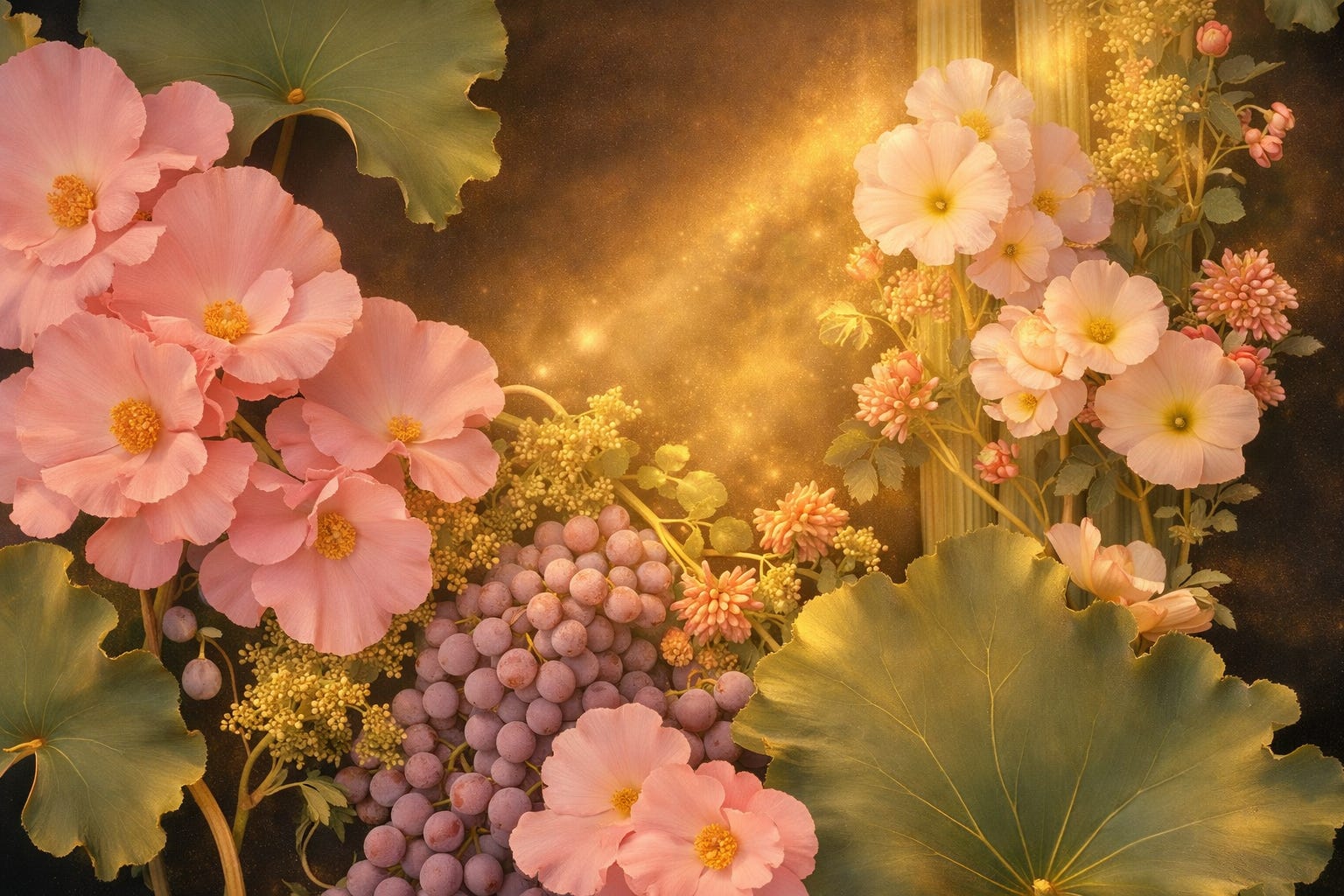
I have come to consider this, in part, through the image of a garden. Not as decoration, but as a living sanctuary. A place of beauty, atmosphere, subtlety, and soul. A place where what grows must be tended. A place that asks for a different quality of presence.
Not everything belongs in a garden.
Not every hand knows how to tend it.
Not every visitor understands what is fragile, fragrant, or still becoming.
Sometimes what is most tender is wounded not by open enemies, but by those welcomed too near without the wisdom to cherish what they touched.
To keep such a space is not to become cold. It is to become wise about welcome. It is to understand that hospitality is not the same as indiscriminate access.
Wonder needs openness, yes. But it also needs guardianship.
The mystic is often imagined as endlessly receptive, endlessly giving, endlessly open to whatever arrives. But true maturity is not indiscriminate openness. It is knowing how to recognize what carries life and what merely mimics it—what deepens the soul and what merely performs depth, what comes with reverence and what comes with appetite.
The sacred cannot be approached well in every atmosphere. It asks for humility, attention, and care. It asks for the right conditions. It asks us to notice where there is reciprocity, where there is reverence, and where there is only hunger dressed in spiritual language.
Perhaps this is one reason I think so often of my cat, Bella. Cats do not explain themselves into safety. They sense. They pause. They watch. They know when to retreat, when to rest, when to trust, and when to lean into love. There is discernment in that kind of presence—an instinct for atmosphere, timing, and what belongs near.
The Keeper of What Is Sacred
Perhaps that is one of the mystic’s deepest callings.
Not simply to perceive beyond the visible, but to guard the threshold between what is holy and what would cheapen it. To remind us that the soul cannot live by efficiency alone. To welcome us, when the moment is right, into deeper chambers of beauty, truth, and wonder.
The mystic, then, is not merely a figure of enchantment. The mystic is a steward. A keeper of atmosphere. A guardian of sacred welcome.
This, perhaps, is why the mystic still matters. And why the garden must be tended.
For more of my writing and what is coming next, you’ll find me at: Ellen M Laura